


Planning strategy for self builders

Every self‑build project begins with the same question: “Will I get planning permission?” The honest answer is that you can never know for certain - but you can understand your odds.
You might start by looking up the statutory determination periods (8 weeks for minor applications, 13 for major) and assume that’s the timeline. In reality, local authorities are rarely held to those deadlines. And rushing to ‘start the clock’ is one of the quickest ways to create delays.
Submitting too early before the design, the strategy or the stakeholder engagement is ready often leads to incomplete information, objections, redesigns, withdrawals and resubmissions. The process you were trying to accelerate becomes significantly longer.
Planning isn’t about speed. It’s about strategy.

How to maximise your chances of self build planning approval
A fast submission isn’t the goal. A low‑risk, strategically sequenced submission is.
Before any design work begins, it’s important to understand the planning landscape you’re stepping into. This early groundwork shapes everything that follows:
Site analysis
Orientation, access, neighbouring properties, conservation constraints, trees and topography all influence what’s possible. Good design starts with understanding the site, not imposing an idea onto it.
Planning history
Previous applications (whether approved or refused) offer valuable clues about what the authority supports, what they resist and how they’ve interpreted policy in the past.
Local policy interpretation
Every authority applies national and local policies differently. Understanding how those policies are used in practice is often more important than what they say on paper.
Pre‑application advice
Speaking to the planning authority early helps understand how your proposal is likely to be viewed. It highlights potential concerns, opportunities and policy interpretations before they become obstacles.
Together, these steps build a clear picture of the planning environment before design begins. It means decisions are made with confidence, not guesswork.
Why stakeholders are an important part of planning success
In planning, stakeholders are the people and groups who can influence the outcome of your application - formally or informally. They include neighbours, councillors, conservation officers, design panels, highways teams and anyone else whose views the planning authority might consider.
Planning decisions aren’t made in isolation. A well‑timed conversation with the right person can prevent objections, reduce negotiation and keep the process moving. Engage too early and there may be nothing meaningful to discuss; engage too late and it can appear that decisions have been made without them.
Understanding who to involve (and when) is a key part of a successful planning strategy.
Getting planning permission on constrained self build sites
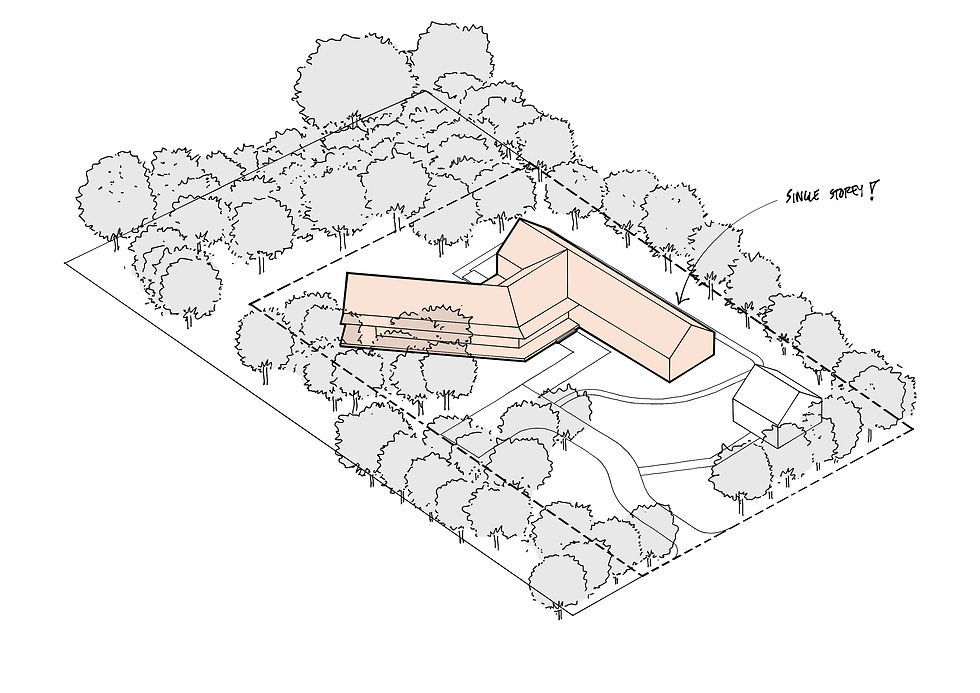
Some sites demand more than good design. Conservation areas, protected landscapes, tight urban plots and complex policy environments require a strategic approach that anticipates constraints and uses them as a driver for the design.
Success on constrained sites often relies on:
early technical input from the right specialists
a simple well-explained reason for the design
pre‑application discussions with the planning officer
demonstrating how the proposed design improves the site
shaping the design around what the authority values
Thoughtful preparation turns constraints into opportunities. It’s often the most challenging sites that produce the most rewarding outcomes.

Three common reasons self build planning applications fail
Planning refusals often come down to three predictable issues. Each can be managed with the right approach.
1. Local opposition
Neighbour concerns can derail compliant schemes. Early conversations reduce surprise and build trust.
2. Political pressure
Councillors respond to their constituents. Understanding local priorities helps shape how proposals are presented.
3. Overambitious proposals
Trying to squeeze too much onto a site rarely works. A smaller, well‑considered scheme often achieves more, faster.
How to respond to self build planning refusal
Even well‑designed proposals can face refusals. A refusal doesn’t always mean the design is wrong - it can mean the underlying issues haven’t yet been properly identified.
Knowing how to respond is part of the strategy:
when to appeal
when to resubmit
when to escalate
when to commission specialist assessments
when to dig deeper into the real concerns
Good planning advice isn’t just about drawings. It’s about understanding the system well enough to keep moving when the path becomes unclear.

The PiP approach: How we de‑risk planning for self‑builders
A clear planning strategy reduces uncertainty and helps avoid avoidable delays. Our approach focuses on clarity, preparation and honest advice.
Define your brief
Planning takes months, so it’s essential to be clear on what you want to achieve. A well‑defined brief prevents you from securing approval for something that isn’t right for you or your site.
Use a phased planning strategy
Some projects benefit from a phased approach. Securing the visible, above‑ground elements first and introducing more complex components through later amendments can reduce risk and keep the process moving.
Engage neighbours early
Neighbours, councillors and officers all influence how an application is received. Speaking to them early helps surface concerns before they harden into objections.
Tailor your approach to your local planning authority
Every local authority interprets policy differently. What’s welcomed in one district may be resisted in another. Tailoring the approach to the specific planning culture is essential.
Get honest planning advice
If a proposal is pushing the limits of what the site or context can support, it’s better to know early. Honest advice at the start saves time, money and frustration later on, and often leads to a stronger, more deliverable scheme.
Start your self build planning strategy with confidence
Planning is the hardest part of a self‑build - often harder than the build itself. But with the right strategy, the process becomes clearer, calmer and far more predictable.
Success starts long before you submit. If you’re preparing for a self‑build and want to approach planning with clarity and confidence, now is the time to start shaping your strategy.


Comments